The cost of avoiding conflict at work

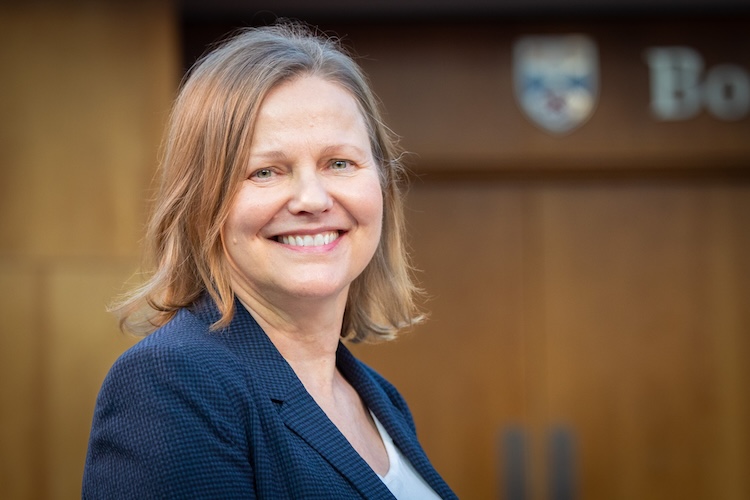
Professor Ruth Woodfield, Professor of Equalities and Organisation at the University of St Andrews Business School, is one of the course leaders on the Executive Education programme Conflict Unlocked. Here, she reflects on what conflict looks like at work, why leaders often misread it and how organisations can create the conditions for better outcomes.
The word ‘conflict’ makes people uncomfortable, and it is easy to see why. In the wider world, it often signals harm, hostility or breakdown. Inside organisations, however, conflict tends to look far more ordinary. Sometimes it appears as a disruptive issue that flares up through anger, resentment or frustration. Just as often, it takes the form of disagreement: people questioning ideas, challenging decisions or approaching problems from different angles.
Much of the conflict organisations encounter stems from differences. When people bring varied experiences, assumptions and ways of thinking into the same workplace, they will not always see problems in the same way. That tension can feel uncomfortable, but it is also where many of the best ideas begin.
Workplaces today bring together a wider mix of perspectives and experiences than they once did, and that diversity is a strength. Teams that think differently often make better decisions, but also generate conflict. The task for leaders is not to eliminate that tension, but to recognise when disagreement is useful and when it becomes damaging.
Not all conflict means the same thing
Many organisations try instinctively to minimise conflict because leaders associate smooth relationships with productivity. The impulse is understandable, but it can also lead organisations in the wrong direction. When disagreement appears, leaders often try to shut it down quickly, particularly if it looks personal or trivial.
In practice, conflict rarely sits where it first appears. A dispute that looks petty on the surface often signals something deeper. It might reflect unresolved resentment, perceived unfairness or a sense that someone has not been heard. When leaders dismiss these signals too quickly, they lose the opportunity to understand what is actually happening inside the team.
Challenge is not the same as hostility
Some organisations swing to the opposite extreme, celebrating conflict without carefully considering what that means in practice. Encouraging challenge can strengthen ideas, but leaders cross a line when they reward aggression or normalise disrespect.
Amazon founder, Jeff Bezos once argued that strong organisations should encourage disagreement, famously promoting the idea that people should ‘disagree and commit’. In principle, encouraging challenge can sharpen ideas and prevent poor decisions from slipping through untested. But the lived reality of workplaces built around constant confrontation can look very different. When disagreement turns into hostility, or when people feel shouted down rather than heard, conflict stops improving decisions and starts eroding trust.
The distinction matters. Productive disagreement relies on people feeling able to question ideas without fear of ridicule or hostility. When those conditions disappear, innovation rarely follows. Silence and disengagement tend to take its place.
The emotional dimension of conflict often makes it particularly difficult for leaders to handle. When tension appears within a team, many interpret it as a sign that something has gone wrong. A difficult issue surfaces, and the instinctive reaction is defensiveness. Yet that reaction often escalates the problem rather than resolving it.
Effective leadership requires the ability to sit with discomfort for a moment and resist the urge to shut the conversation down. Leaders need to manage their own emotional responses while helping others navigate theirs. Sometimes emotions take longer to resolve than the practical issue. At other times, the emotional tension fades even when the original issue remains unresolved. Either way, people still need to work together afterwards.
Silence rarely means everything is fine
Questions of power and inequality shape how conflict unfolds inside organisations. Some employees feel comfortable challenging decisions or raising concerns. Others remain silent, even when something clearly needs to be said.
Silence rarely signals harmony. More often, it signals caution. People stay quiet when they doubt that speaking up will make a difference, or when they fear that doing so might damage how others see them.
Those who feel most exposed inside a workplace often speak least. That may include people with protected characteristics who experience associated disadvantage, but it can also include anyone who feels out of place in a particular environment. A younger employee in a senior team, a man in a female-dominated profession or someone who feels highly visible because of their background may worry that raising a concern will call their competence into question.
If the only route to being heard is a formal complaint, many employees will not take it. Complaints processes can feel daunting for everyone involved. When organisations fail to create earlier and safer routes for discussion, frustration tends to build until it surfaces in more damaging ways. People speak externally, raise issues publicly or leave altogether. Leaders often struggle to connect those outcomes with the quieter moments when someone first decided it was safer to stay silent.
Making voice part of everyday work
Healthier organisations treat employee voice as part of everyday working life rather than a special initiative. Leaders create multiple avenues for people to raise concerns and respond without defensiveness. Regular conversations, informal opportunities to share feedback and practical frameworks for addressing disagreements help issues surface early, before they harden into formal disputes.
When leaders handle conflict in this way, something important begins to shift. Employees do not assume that every concern will produce the outcome they want, but they do become more willing to judge leadership by fairness and openness. Over time, they also take greater responsibility for resolving problems themselves rather than expecting managers to single-handedly develop and impose a solution.
Mediation approaches reinforce this idea of shared ownership. Conflict does not simply happen to people, and resolution rarely comes from a decision imposed from above. When individuals recognise their role in a disagreement and work together to find a solution, organisations become more resilient and better equipped to handle everyday tensions.
Conflict itself is not the real danger. The greater risk lies in avoiding it entirely and mistaking silence for success.
Learn more
These ideas underpin Conflict Unlocked, a three-day Executive Education programme at the University of St Andrews Business School led by Professor Ruth Woodfield, Dr Sandra Romenska and Ruth Unsworth. The programme runs in St Andrews from 28 to 30 September 2026. Explore Conflict Unlocked and how it helps leaders manage conflict constructively.